On May 15, the International Day of Families reminds us of the obvious: it's in the heart that everything begins. For many years, our approach to social support for families has enabled the most vulnerable among them to take charge of their lives, to better protect and offer their children a brighter future.
The family, the first pillar of child development
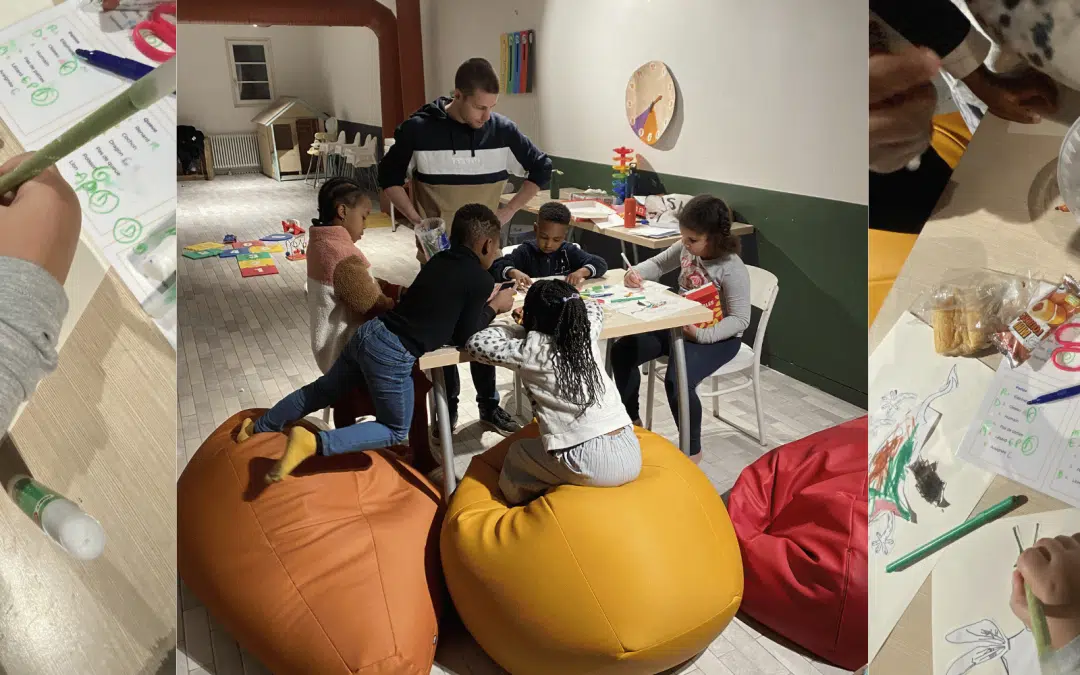
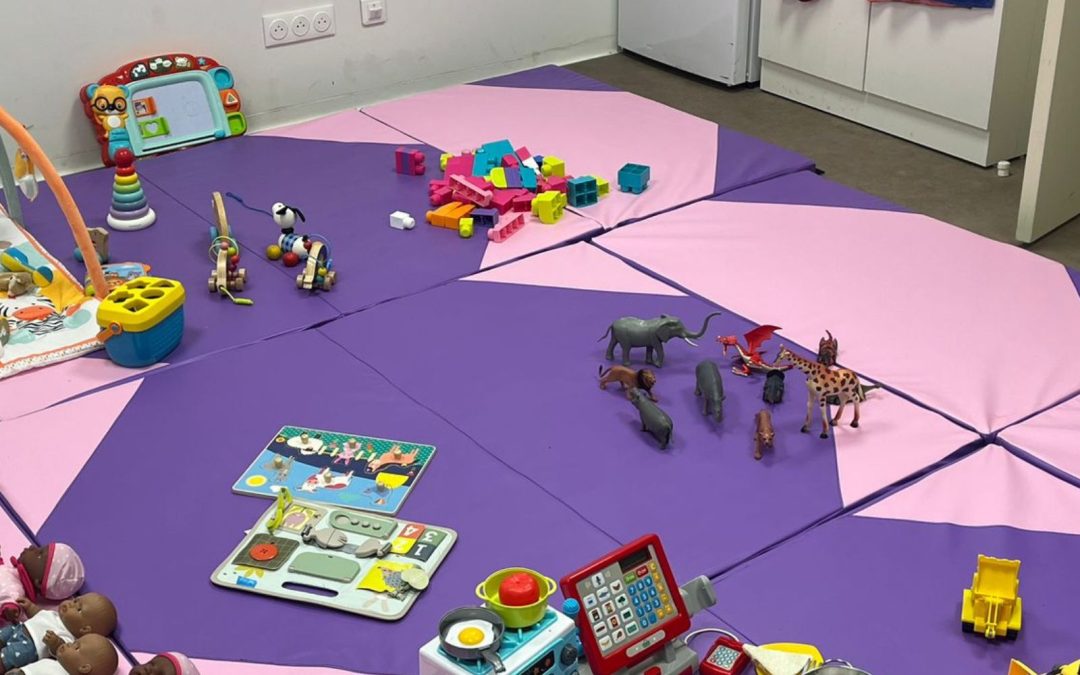
The first years of life are crucial. It is in this close environment that the child learns to explore, communicate, play and enter into relationships.
As Géraldine Massuelle, Coordinator of our Early Childhood program, points out:
«Parents are a child's first reference points. Supporting them doesn't mean telling them what to do; it means giving them the keys to better understanding their child's needs and fostering his or her development.»
When this environment is weakened by precariousness, isolation or lack of access to services, inequalities appear very early and can mark a lifetime.
Our response: social support for families
Our methodology is based on a strong conviction: families have resources. They simply need support to mobilize them.
In practical terms, social support for families consists of :
- monitor and guide families in serious difficulty for 6 to 9 months
- offer individualized psychosocial support
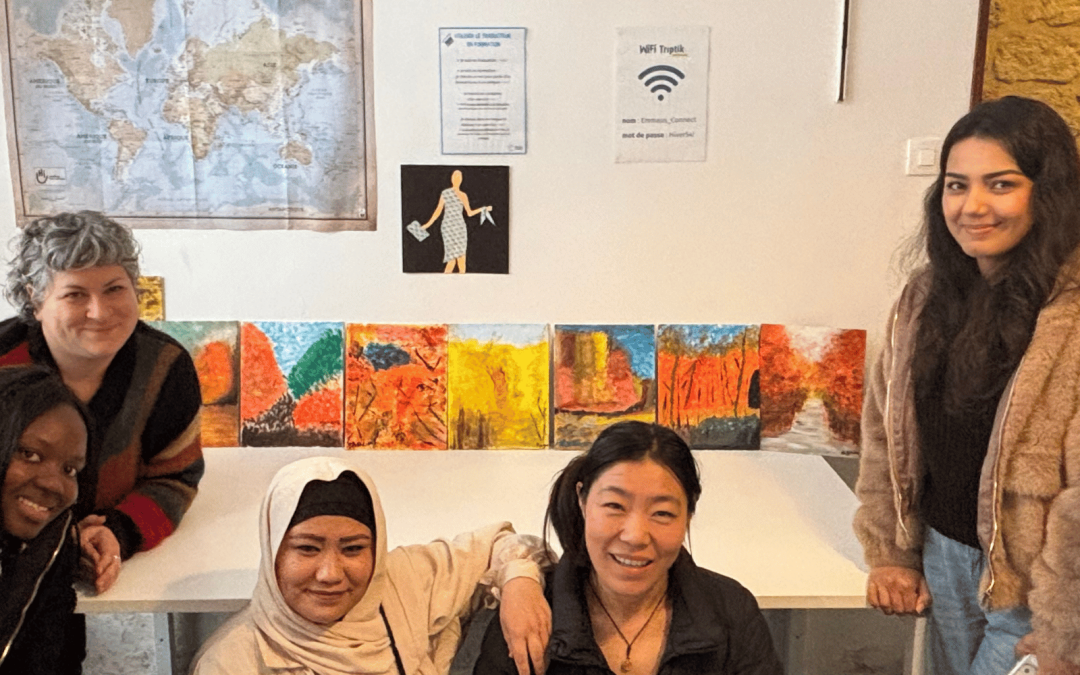
- build parents' confidence and skills
- facilitate access to essential services (health, education, employment, etc.)
This approach creates a real bridge between families and the services to which they are entitled, by making them actors in their own development.
In 2025, 4,400 families were supported by Planète Enfants & Développement and its partners.
The story of Somsay, building the future despite adversity
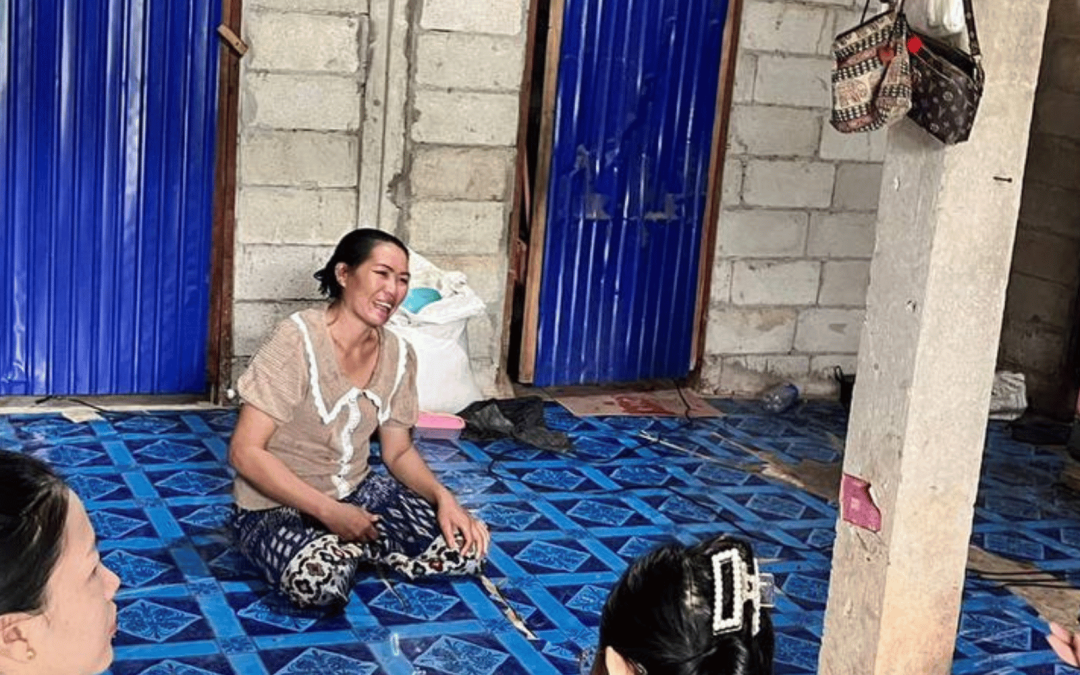
Here in my village, life isn't easy. I live with my husband and two children. My son is very ill with kidney disease; he needs care all the time. Every week, we have to go to hospital, and it costs 1.5 million kips [60 euros]. That's a lot of money for us. I often didn't know how to pay. I was afraid I'd have to stop his medication.
To feed my family, I work in my parents' rice fields. But the land doesn't provide enough for everyone. I often had to buy rice and food at the market, but with inflation, prices kept going up.
Around me, many parents leave to work far away, on the other side of the border, to send money home. They leave their children with their grandparents. I was afraid of that, because children on their own are in more danger. My daily routine was to look for money everywhere, to borrow, and to worry about my son's health.
One day, some women from the Union des Femmes came to see me. They told me about the PEGASE project. At first, I wasn't sure what to expect, but they made it very clear.
The project helped me in two ways:
To eat: Every month, I could go to the village store to buy rice, salt, seasoning and diapers for my son. Since I didn't have to pay for these anymore, I was able to keep my money.
For tomorrow: With the money saved in two months, I bought two little pigs. The following month, I was able to buy twenty chickens. I'm taking good care of them, they're growing, and soon I'll be able to sell them to pay for my son's care.
Learning to be stronger
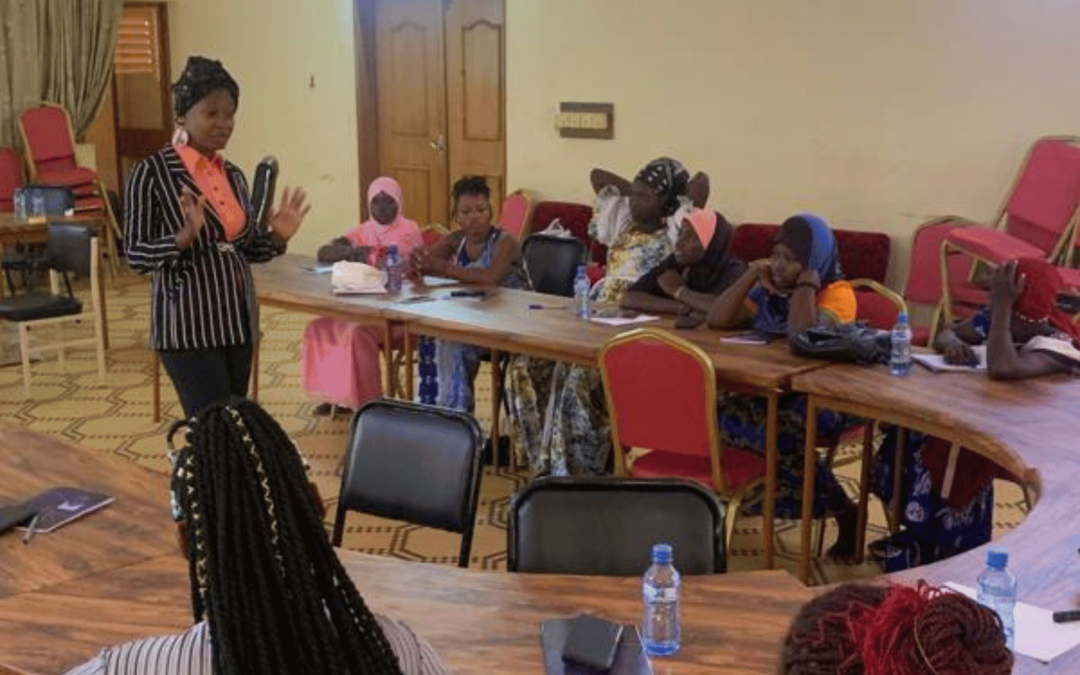
People from the project came to see us at home every two weeks. We talked about how to protect children and the dangers of trafficking (those who want to take our children to work). We learned all this through stories and games, so it was easy to understand.
Today, I feel less alone. I still have a lot of expenses for the hospital, but I've got my little farm starting up. Now I know how to better protect my children. I thank the project for helping us when we needed it most.
In the field: the key role of social workers
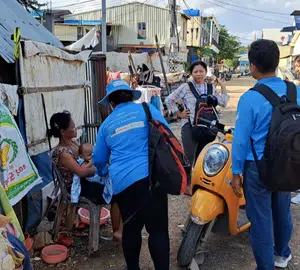
Support is based on essential outreach work:
- regular home visits
- building a relationship of trust with families
- adapted to every situation
- working with local partners
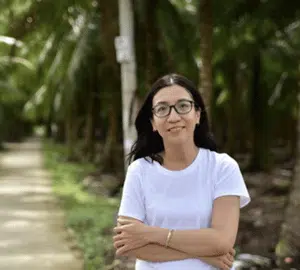
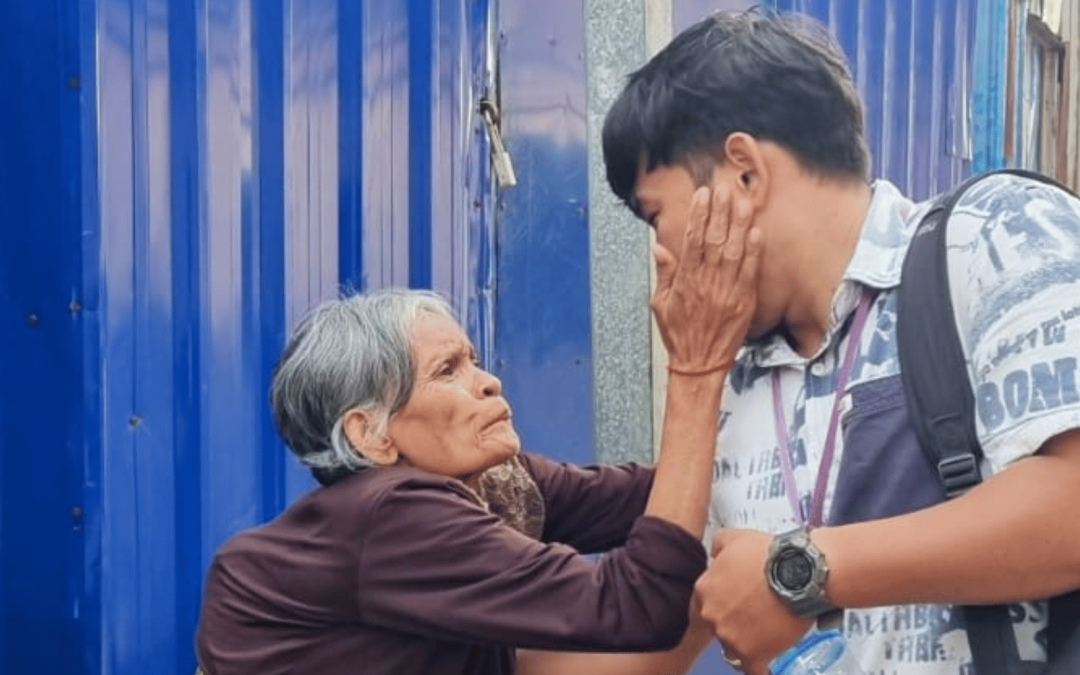
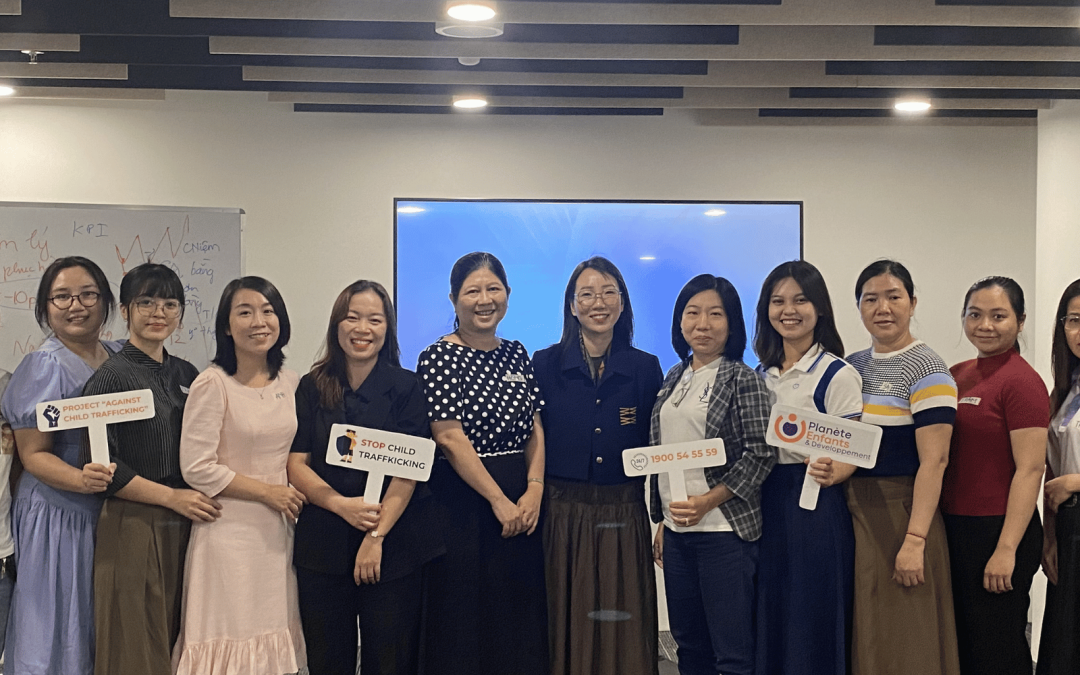
In Vietnam, Ms Lam Anh, a social worker with our partner CSWC, explains:
«Every family is different. Gaining their trust takes time. But every little change is a success: a child returning to school, a parent finding a job and regaining confidence...«
On this International Day of Families, let's remember: supporting families means building fairer, more sustainable societies.