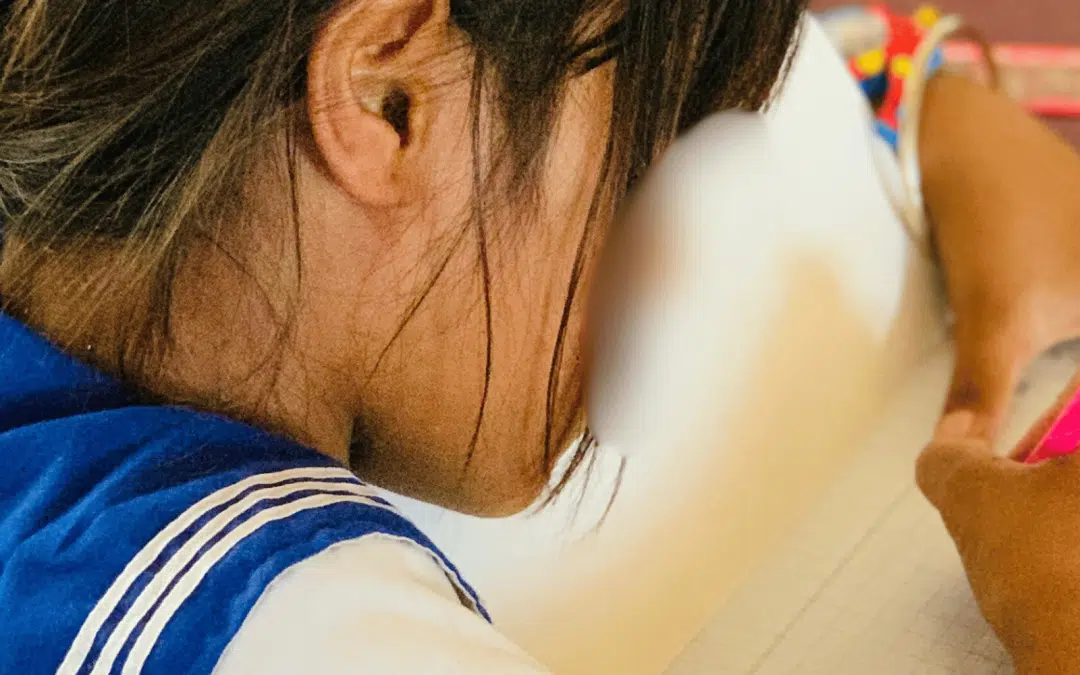
In March 2025, Sokunthea*, age 10, arrived at the Damnok Toek shelter in Poipet, a safe, temporary place for children under 16 who are at risk within their families or without a guardian.
Her father and mother—a construction worker and a rice seller, respectively—had been living in precarious circumstances for years. Financial stress and daily conflicts led to their divorce in 2024. The father stayed in Poipet with Sokunthea and her sister, while the mother moved to Phnom Penh. One day, she returned and took Sokunthea away.
In Phnom Penh, Sokunthea lived in fear: her mother, under the influence of her new partner, had started using drugs. Sokunthea endured abuse, threats that she would be sold to Vietnam, and the constant presence of men under the influence of drugs in her home. She often missed school. She ultimately lost the sense of security to which every child is entitled.
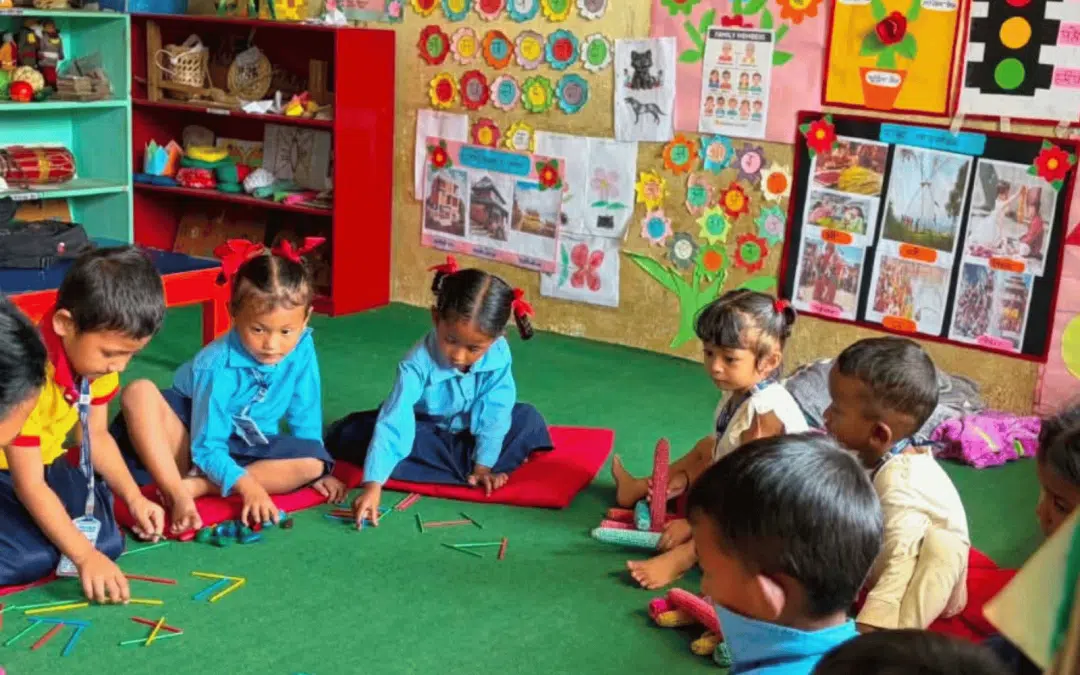
After several unsuccessful attempts to get his daughter back, her father turned to the staff at the Damnok Toek center, who took Sokunthea in. There, her life began to change: a comfortable place to stay, three meals a day, clean clothes, and access to the center’s non-formal education program. While Sokunthea can continue to stay in touch with her mother if she wishes, she is now under the care of the shelter.
Today, Sokunthea feels safe and protected. She says: “I’m very happy to be living here. I’m grateful to Damnok Toek and the teachers who take care of me and teach me so many good things. My dream is to become a teacher. I want to go to school, finish my studies, and one day be reunited with my family.”
For its part, the center’s team is working to help her father secure a stable income, so that Sokunthea can one day return to live with him permanently.
* The first name has been changed to protect the person's identity.
PEGASE's Approach in Southeast Asia: Prevention, Protection, and Reintegration
To address the root of the problem, Planète Enfants & Développement and its partners work with families in extremely vulnerable situations. The organization offers them social support for 6 to 9 months to help them identify their financial and social difficulties and find solutions. By providing them with information and building their resilience, the goal is to prevent children from being placed at risk.
The organization also relies on local partners that provide shelter, in particular, to children in facilities dedicated to children who are victims of violence, exploitation, or trafficking.
The program also aims to strengthen these partners' capacity to provide specialized care for child victims of trafficking.
On this July 30, World Day Against Human Trafficking, let’s stay vigilant, stay informed, and take action—each of us in our own way—so that no child is ever again a victim of or at risk of trafficking and exploitation.
To go further :
> What are the risks of falling victim to human trafficking and exploitation? How do traffickers operate? And what is human trafficking?
> A 30-minute online training module on human trafficking offered by the “Together Against Trafficking” coalition (of which Planète Enfants & Développement is a member)