At the heart of the HaLI project in Phnom Penh
In the slums of Phnom Penh, improving housing is more than just building or renovating houses. It's a structured and profoundly human process that puts residents at the heart of decision-making.
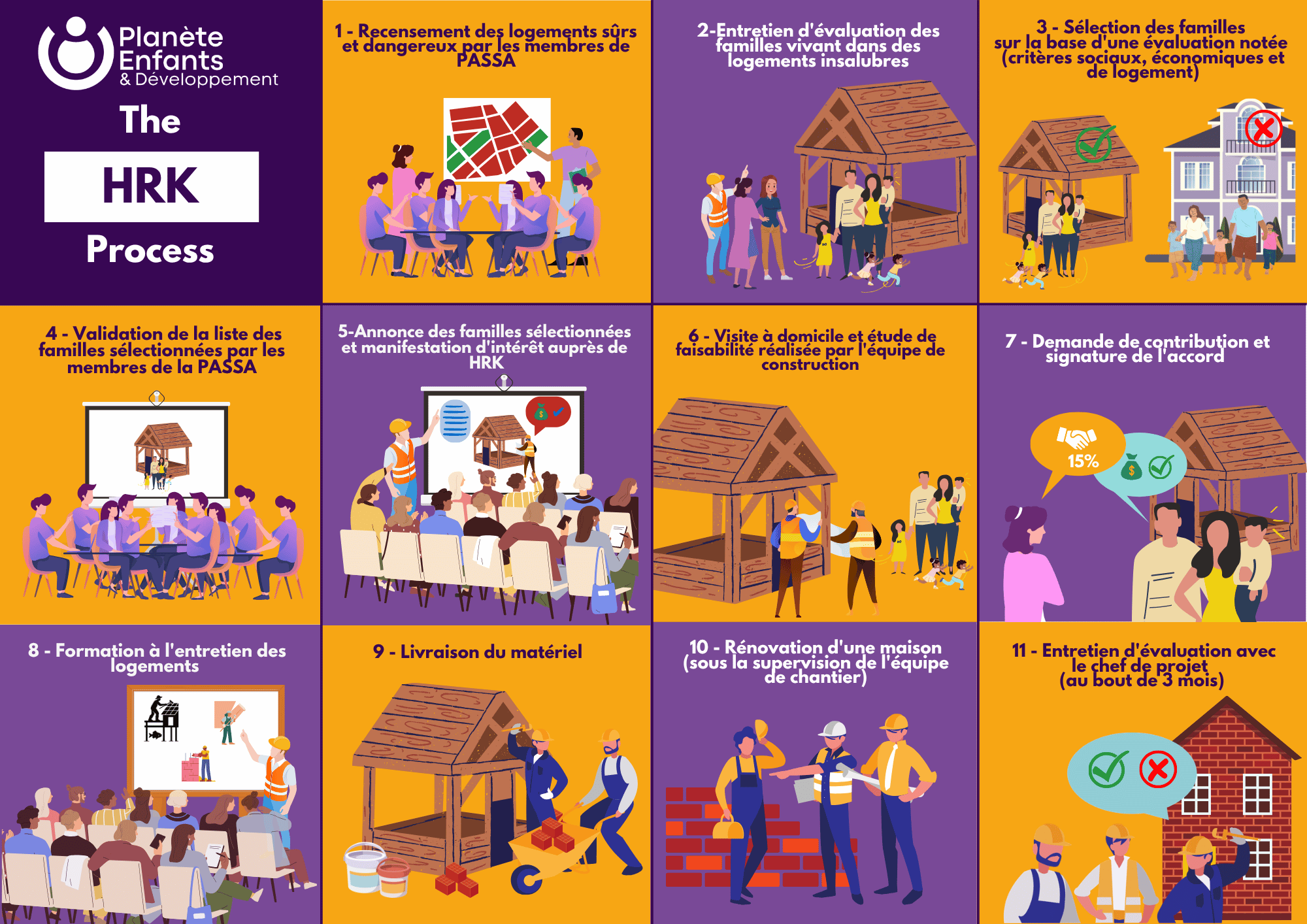
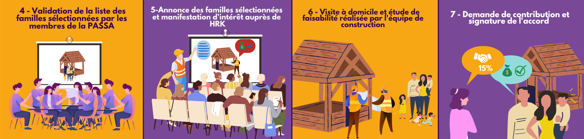
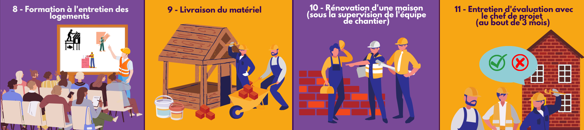
The visual of the HRK (House Renovation Kit) illustrates the 11 key steps in this process, implemented as part of the HaLI project. From the identification of needs to the final assessment, each stage is designed to ensure that renovations are sustainable, adapted and appropriate for families.
A participatory approach from the outset
It all starts with the residents themselves.
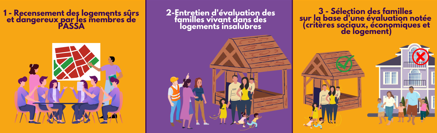
Thanks to the PASSA methodology, groups of volunteers from the communities carry out a participatory mapping in their neighborhood. Together, they identify the homes most at risk, as well as the resources available. This first stage anchors the project in local reality, and helps to draw up an initial list of potentially eligible families.
A global assessment of situations
The teams then visit families living in substandard housing. These visits, carried out by pairs combining social and technical expertise, enable us to understand both :
- family situation (education, health, vulnerabilities),
- economic conditions,
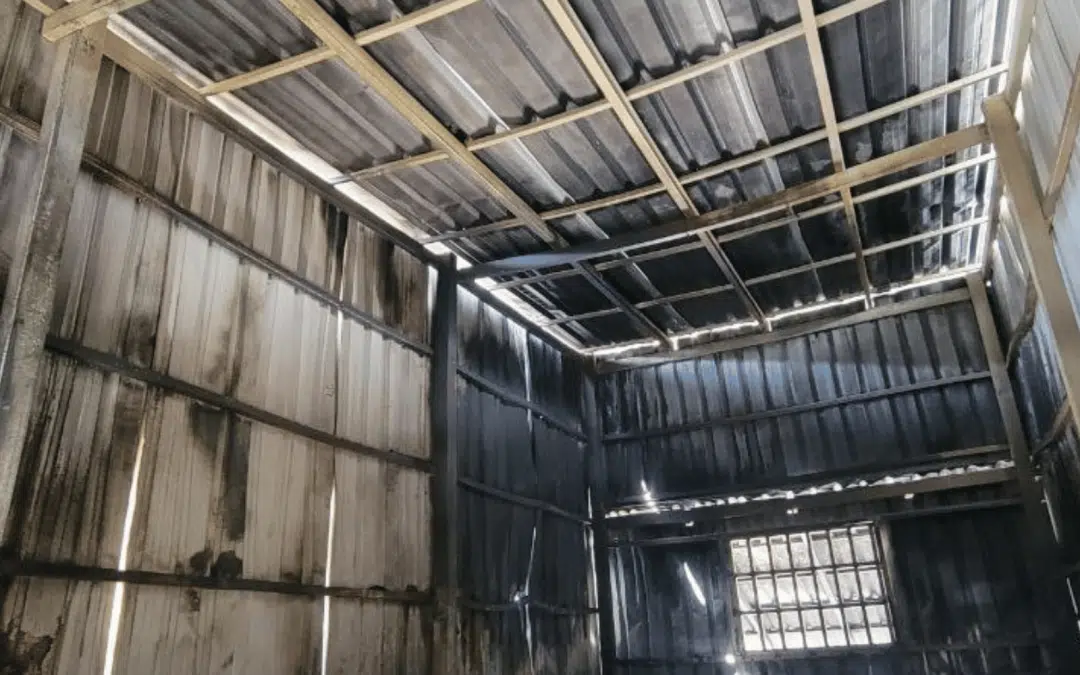
- and the actual condition of the home.
This cross-functional approach guarantees a comprehensive view of needs.
Transparent, collective selection
The data collected is analyzed according to three criteria: social, economic and structural. This scoring system makes it possible to identify the most vulnerable families.
But the final decision is not based solely on this analysis: the list is validated by PASSA members, ensuring transparency and legitimacy. In this way, the community remains fully involved in the process.
A reciprocal commitment with families
Once selected, families are officially informed at a meeting. The HRK process is presented to them in detail, including their financial contribution of 15 %.
This commitment is formalized by a signed agreement, which marks the concrete start of the project. It's not just a question of receiving help, but of take an active part in home improvement.
Preparing for appropriate, sustainable renovations
There are several essential steps to take before starting work:
- a technical feasibility study is carried out for each house;
- local materials and craftsmen are selected;
- families participate in a mandatory training on home maintenance;
This phase ensures that renovations are both adapted to the local context and sustainable over time.
Supervised, responsible work
The materials are then delivered directly to the site, under the responsibility of the families. Work can then begin.
Carried out by local craftsmen and supervised by a technical team, renovations take an average of one to two months. Particular attention is paid to construction quality: ventilation, climate resistance, durability of materials.
Post-work follow-up
The process doesn't stop at the end of the worksite.
Three months after completion, a final assessment is carried out to verify :
- the quality of renovations;
- family comfort;
- and home ownership;
This follow-up enables us to identify possible adjustments and ensure that the improvements made have a real and lasting impact.
A process at the service of families
Through these 11 steps, the HRK illustrates a comprehensive approach to renovation: participatory, transparent and sustainable.
More than just a program of works, it is a lever for :
- empower families;
- promote local know-how;
- and sustainably improve living conditions in precarious neighborhoods;