Sokheng Suong, PEGASE's coordinator in Southeast Asia, gives us a brief overview of the positive effects of the program on families supported over the past 3 years to prevent violence, exploitation and child trafficking.
Less violence in the home
“Before, I was afraid to talk in front of my husband. Now I can talk to social workers, and the violence has decreased a lot. I feel stronger to protect my children.” explains a mother in Cambodia.
Regular visits by social workers and the work they do with families are generally reflected in a better climate in the homes, with parents sharing more responsibility. Not all families are able to identify high-risk situations. That's why the support provided by social workers lasts between 6 and 12 months. Over the course of visits and discussions, problems are identified and dealt with.
Better family budget management: towards greater security
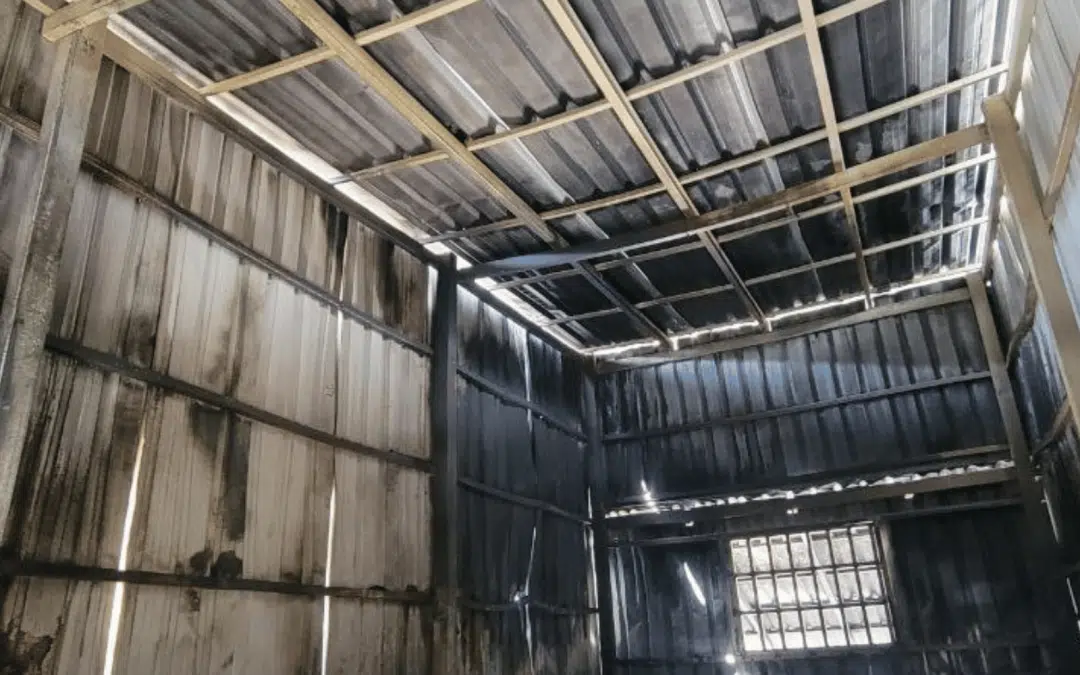
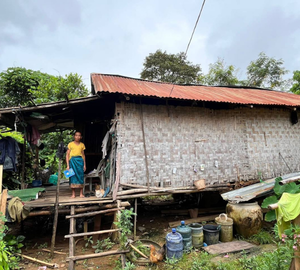
Sone, who lives in the village of Mai Paksang in Laos, recounts: “Thanks to the savings I learned to put aside, we were able to repair the roof of our house. Now my children are safe and we can plan for the future.”
Better financial stability, access to school and plans for the future
In the same Laotian village, a grandmother was desperate: she couldn't afford to send her grandson to school. Thanks to the coordinated intervention of social workers and the local education office, school fees were waived and materials provided. Her grandson can now attend school regularly.
Noy's 12-year-old son had to leave school in 6th grade to help the family support itself. Today, Noy is thinking about his son's future: "I want him to learn a trade so he can have a stable future. We are working together to achieve this and have identified a training course in motorcycle repair.”
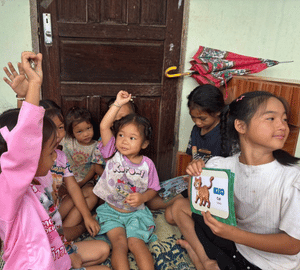
Before the program, many families had very limited incomes. Thanks to the money saved through the provision of vouchers and the income from their work, their financial stability has improved. For example, some families have been able to invest in rubber plantations, which was previously impossible.
Next steps
We intend to continue the program over the next 3 years, improving some of its components. For example, we'd like to strengthen the selection and training of volunteers who report situations that put children and women at risk; we'd like to replace vouchers with temporary monthly allowances just long enough for them to get back on their feet; and we'd like to involve public institutions even more by training their agents in child protection.
This program is having a tangible impact on reducing extreme poverty and protecting children from exploitation and trafficking. We are still seeking funding to meet all our commitments between 2026 and 2029.