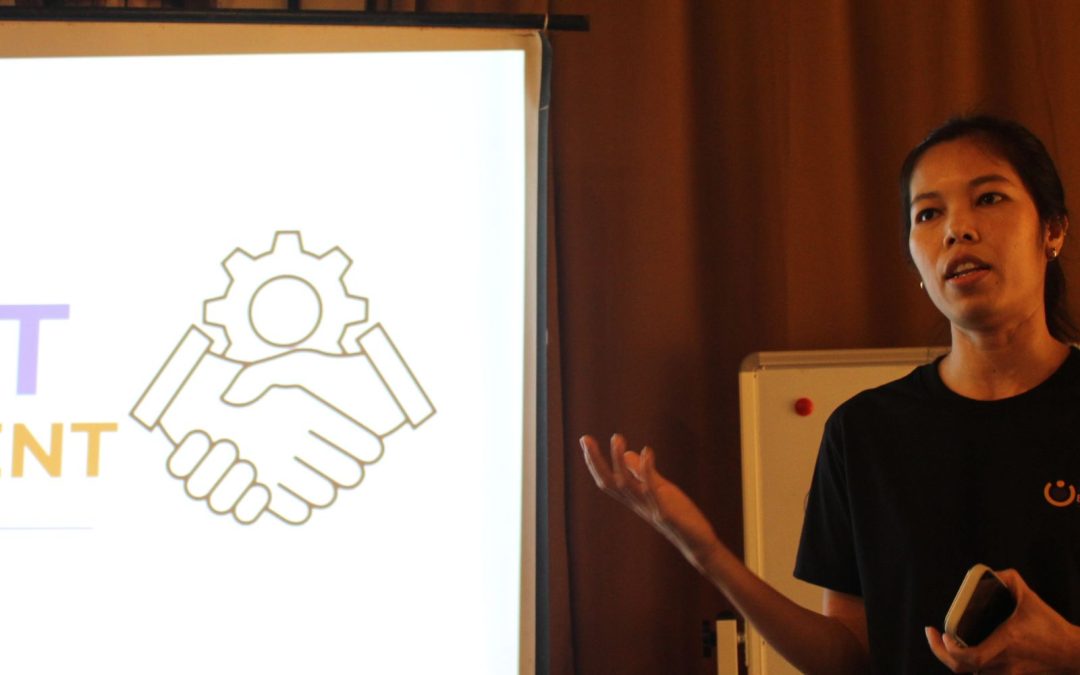
On December 16, 2025, we organized a conference in Ho Chi Minh City with our local partner, dedicated to the effects of screens on the development of young children. The event brought together over 70 participants from the health, education and social work sectors, public authorities, universities and child protection organizations.
The aim was clear: to convey simple messages based on scientific data, and offer families and professionals realistic alternatives to screens.
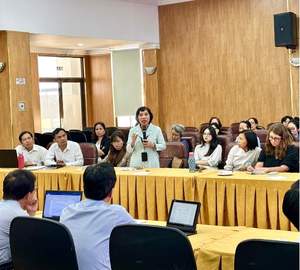
The 3 specialists who spoke throughout the day - Dr Bui Hong Quan from the Ho Chi Minh City University of Education, Dr Le Thi Mai Lien from the University of Social Sciences and Humanities and Nolwenn Deschard, Planète Enfants & Développement's early childhood expert. - discussed the negative effects of screens on health and physical development, sleep, language, attention span, emotional management and social relationships. A central message emerged: in the first years of life, there's no substitute for human interaction, free play and direct exchanges with adults.
Clear guidelines for parents
In addition to the findings, the conference focused on concrete recommendations. Nolwenn Deschard presented age-appropriate guidelines, based in particular on the work of psychiatrist and psychoanalyst Serge Tisseron. His «3 6 9 12+» rule sets out a series of steps for gradually supporting children in their relationship with screens, while taking their development into account.
Our specialist also recalled a clear message: no screens before age 3!
The focus then shifted to a key issue for families: what to do with children instead of screens?
Alternatives include :
- Involving children in everyday activities
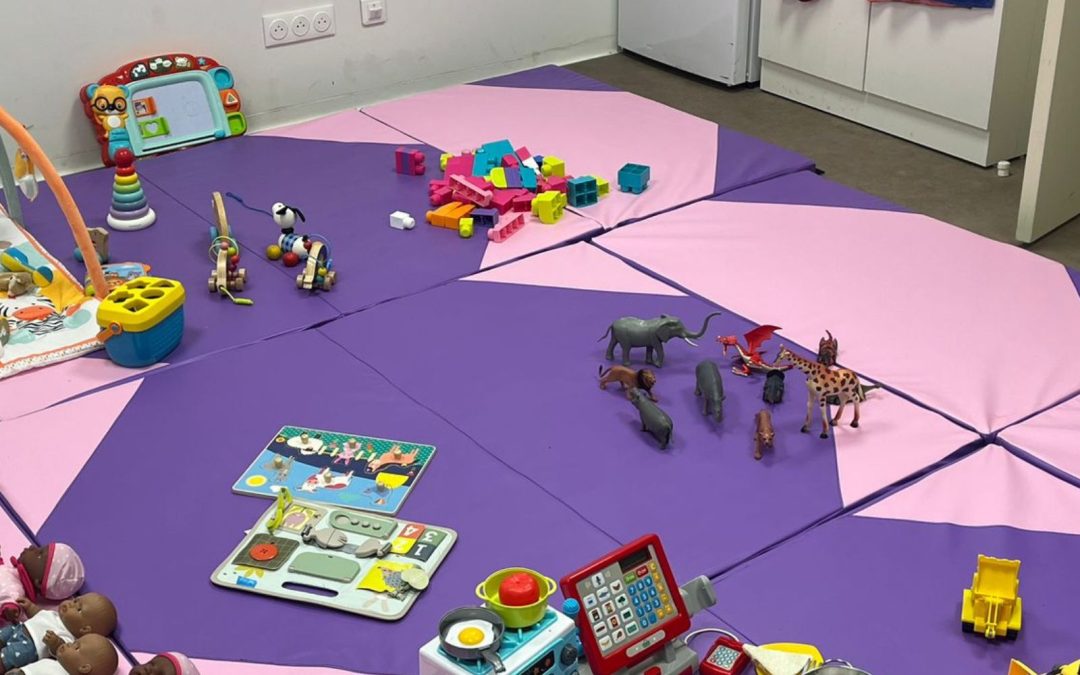
- Encourage free play and imagination
- Reading stories, singing, chatting
- Suggest simple games that encourage attention and emotions (guessing an emotion, imitating a statue, comparison games).
- Spend time outdoors whenever possible
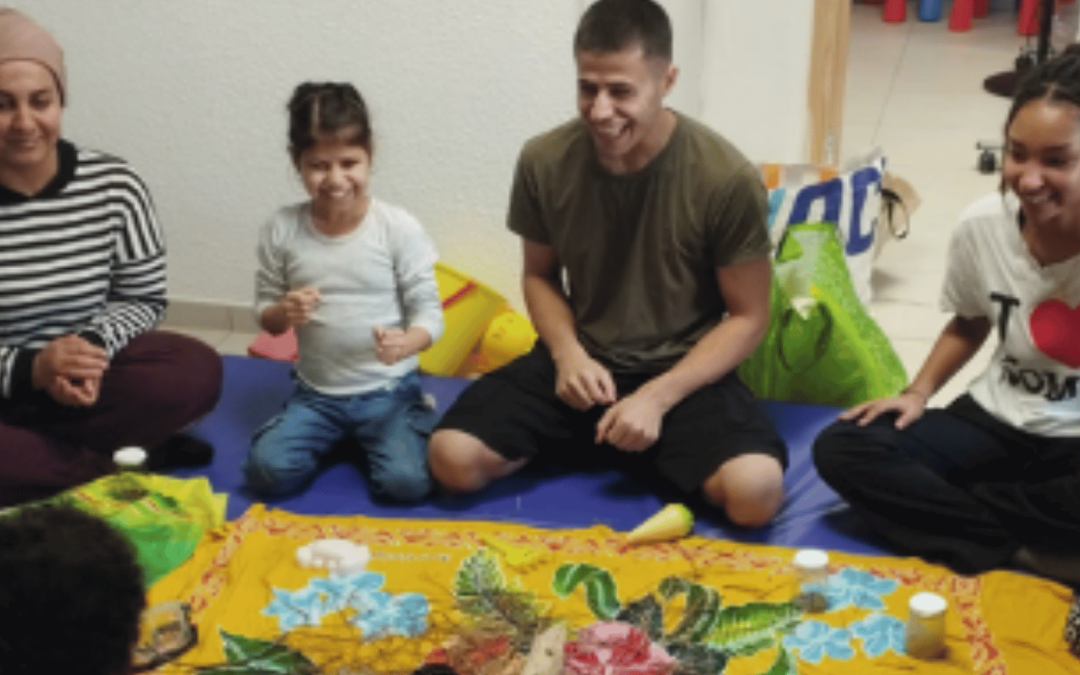
" Above all, children need relationships, real experiences and shared moments. »said Nolwenn Deschard. The aim was not to make parents feel guilty, but to give them concrete, accessible ideas.
Rich and very concrete exchanges
During the question-and-answer session, participants shared numerous testimonials, showing that the question of screens crosses all family and professional realities.
In particular, a nursery manager recounted his personal experience with his own children. When brushing their teeth, he used online videos to try and capture their attention. Despite this, the children still refused to brush their teeth. The family finally decided to stop using the videos and transform the moment into a shared ritual, with parents and children brushing together. Gradually, resistance diminished.
This testimonial illustrates a key idea of the conference: presence, example and the bond with the adult are often more effective than screens in helping children with everyday gestures.
A major public health issue
From students to representatives of the Ministry of Health, teachers, social workers and managers of host establishments, all expressed a strong interest in the subject. Many emphasized their need for concrete tools to support parents without judgment.
The discussions reminded us that early and excessive exposure to screens is not just a matter of family habits, but a real public health issue. Disrupted sleep, language delays, attention difficulties, emotional regulation problems: the consequences can affect several aspects of a child's development.
First steps towards change
For Planète Enfants & Développement, the conference was a real success. Scientific messages were made accessible, recommendations were clarified and concrete solutions were put forward.
The high level of involvement shown by the participants demonstrates a shared desire to change practices. In an environment where screens are omnipresent, it's essential to give full rein to what really builds a child: relationships, play, talking and sharing time with adults.